Tableside vs Sling: True Cost Comparison for Restaurants (2026)
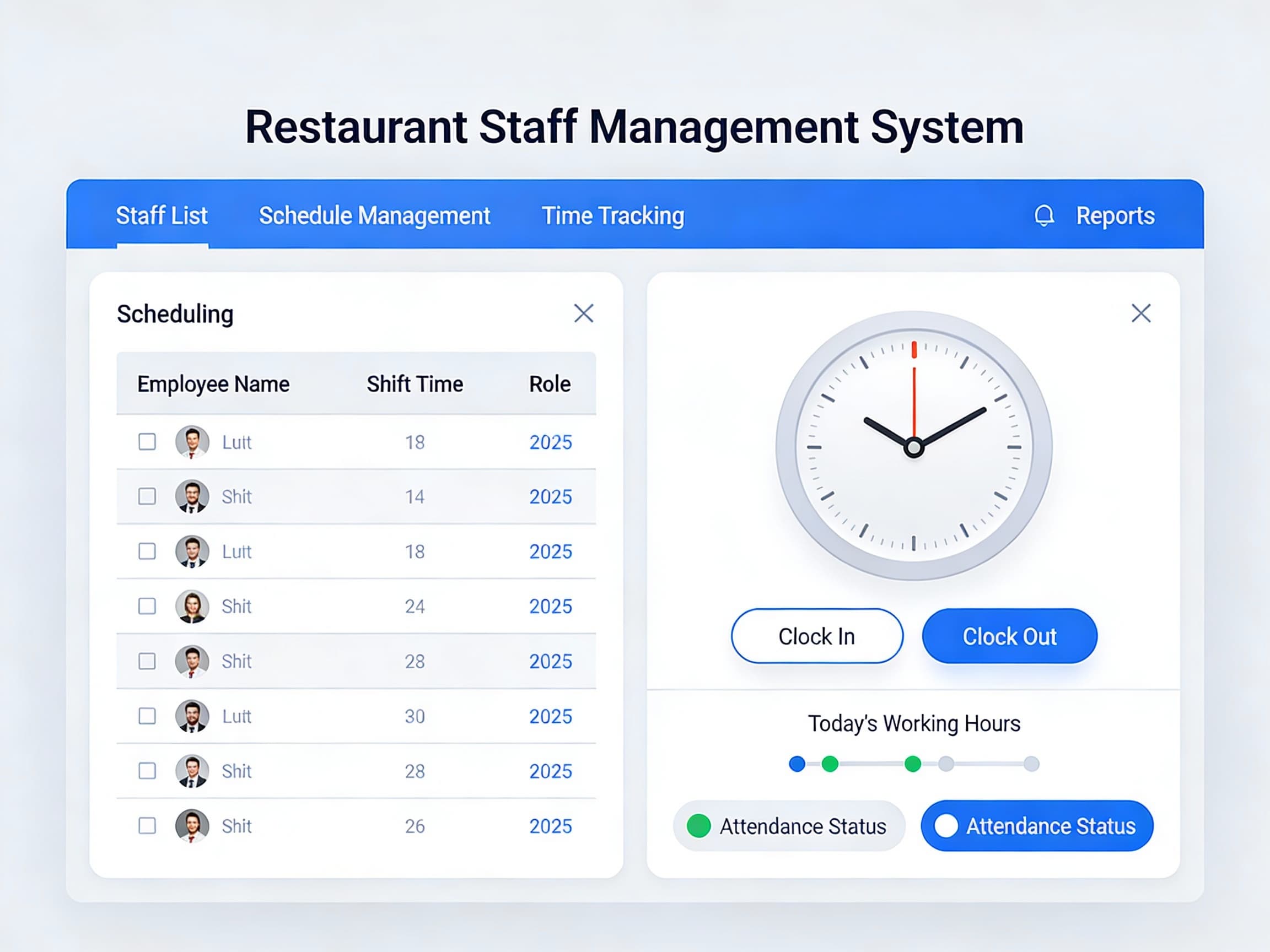
Sling won over shift-based teams by making the basics genuinely free: unlimited scheduling, shift swaps, team messaging, and mobile time clocks for small crews without a credit card up front. For an operator whose rota still lives in screenshots and group chats, free scheduling with availability requests and clock-ins feels like found money. For a restaurant that also needs POS, direct ordering, and loyalty tied to the same operation, the free tier is the on-ramp — the working setup with premium scheduling, labor-cost controls, and payroll that actually runs lives on paid per-employee tiers, while POS, ordering, and the guest relationship still need a separate stack.
The Numbers That Matter: Free On-Ramp, Per-Employee Tiers After
Sling economics live in two lines most shoppers price separately and feel together:
- **Per-employee monthly tiers past the free plan** — published paid plans step up from a few dollars per user per month for premium scheduling through higher tiers for labor-cost tracking, task management, and advanced reporting. A 15-person roster on a paid tier lands near $60+/month before add-ons — and every seasonal hire pushes the line higher. The scheduling bill grows with your headcount, not your revenue.
- **Payroll and labor extras are a second bill** — full payroll runs, compliance exports, and deeper integrations arrive as higher tiers or paid connectors. The rota is free or cheap; paying the team through the same system costs extra every month.
- **The stack is still half-built** — Sling covers the scheduling side well; POS, direct ordering, review responses, and back-office automation arrive as separate vendors with separate bills and separate logins. The scheduling line item is one slice of a multi-vendor stack.
Ask any vendor for two numbers in writing: the all-in monthly total at your real headcount with every tier and add-on you will actually switch on (not the free plan alone), and the all-in Year 1 figure including onboarding. Compare those — not the free headline alone.
Starter Tier: Side by Side
Single location, 3 terminals, 250 orders/month, $10K monthly card revenue, annual billing:
- **Tableside Starter + Ordering — $325/mo, ~$1,350 setup, Year 1 ~$5,250.** Published pricing, no per-cover fee, no per-order fee, no mandatory processing markup.
- **Sling realistic all-in — paid scheduling tier for a ~15-person crew plus payroll connectors, Year 1 commonly ~$900–$1,800+** for scheduling and labor basics alone — before POS, processing, ordering, or review responses enter the picture, and rising with every hire you add.
So the working Sling line lands at roughly a fifth to a third the Year 1 cost of the entire Tableside stack — while covering none of the POS, ordering, or guest-facing moments that actually generate the revenue paying for it. And the free plan that won you over is one upgrade behind the setup you actually run.
What Else to Weigh
Scheduling app vs. one stack. Sling covers the rota-to-clock-out moments beautifully; the POS, gift-card, and review-response moments arrive as integrations or separate vendors with separate bills. Tableside pairs ordering with the whole operation: POS, ordering, loyalty, gift cards, review responses, and an AI assistant that acts on all of it — you approve, it publishes — backed by a 90-day guarantee. Software that only covers the rota leaves the rest of the shift on your staff's plate.
Headcount tax vs. flat rate. A per-user model bills you more in exactly the months you staff up for patio season, holidays, and the Friday rush — the moments your margin is thinnest. Tableside's flat monthly rate stays put whether you run twelve people or twenty, so growth seasons grow revenue, not software bills.
The Year 2 picture. Per-user fees renew every month at your full roster size, and the premium features that felt optional in Year 1 become load-bearing by Year 2. Tableside keeps updates done-for-you at the same flat rate, with direct ordering that keeps the guest relationship — and the margin — yours.
Who Should Pick Which?
- **Pick Sling** if free-and-simple scheduling with shift swaps and time clocks is the whole job — and you have budgeted the full Year 1 line: the paid tier you will actually need plus payroll plus onboarding, not just the free plan.
- **Pick Tableside** if you want one stack — POS, ordering, loyalty, gift cards, review responses, and AI updates — with published pricing at $325/month flat, where one saved Friday-night rush a week pays for it.
Next Steps
Add up your monthly Sling tier at your real headcount plus every payroll connector — then ask what labor software actually costs all-in. If the total surprises you, request a demo and we will walk through the Tableside equivalent line by line — no per-cover fee, no per-order fee, no mandatory processing markup.